
Thatch Roof Maintenance and Lifespan in KwaZulu-Natal
What Homeowners and Lodge Owners Need to Know
Thatch roofing has been used successfully in KwaZulu-Natal for decades, both in residential properties and in lodges, estates, and hospitality venues. When installed correctly and maintained properly, a thatch roof offers durability, insulation, and long-term value that few other roofing systems can match.
One of the most common questions property owners ask is not whether thatch roofing looks good, but how long it will last and what is required to keep it in good condition over time.
This article explains, in practical terms, how long a thatch roof should last in KwaZulu-Natal, what affects its lifespan, how maintenance works in coastal and inland areas, and how property owners can avoid unnecessary repairs or premature replacement.
How Long a Thatch Roof Should Last in KwaZulu-Natal
A professionally installed thatch roof in KwaZulu-Natal typically has a lifespan of 20 to 35 years, depending on materials, workmanship, climate exposure, and ongoing care.
In some cases, well-maintained thatch roofs have remained functional for even longer, particularly on properties where inspections and maintenance are carried out consistently. Thatch roofing does not deteriorate suddenly. Instead, it ages gradually, which allows problems to be identified early if the roof is monitored correctly.
Inland areas of KwaZulu-Natal often experience longer roof lifespans due to lower humidity and reduced salt exposure. Coastal properties may experience slightly faster wear, but this does not make thatch unsuitable for coastal use. It simply means maintenance planning becomes more important.
Understanding that lifespan is influenced by multiple variables helps property owners set realistic expectations and budget appropriately over time.

Climate and Humidity in KwaZulu-Natal
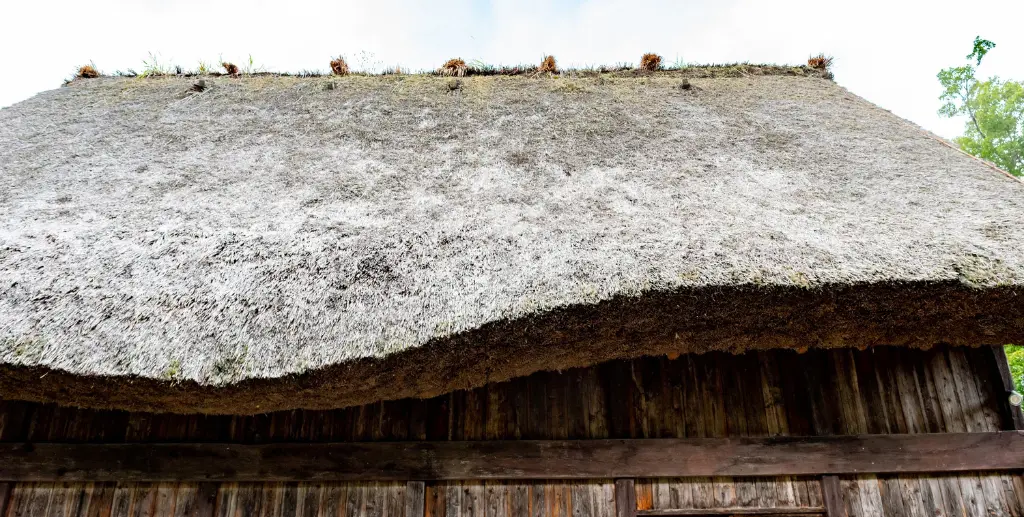
KwaZulu-Natal’s climate plays a major role in how thatch roofs age. Higher humidity levels increase moisture retention within the thatch, which can slow drying times after rainfall.
Prolonged moisture exposure can contribute to:
- Fungal growth
- Moss development
- Faster surface compaction
Coastal regions experience higher humidity and salt-laden air, while inland regions generally dry faster after rain. These differences affect maintenance frequency rather than overall suitability.
A well-designed roof with the correct pitch and ventilation mitigates many climate-related challenges.
Thatch Material Quality
The quality of the thatching grass used directly affects how long the roof will last. High-quality thatching material sheds water efficiently, maintains thickness, and resists premature breakdown.
Inferior material tends to compact quickly, retain moisture, and degrade faster. While material quality is often not visible from ground level, it has a significant impact on performance over time.
Using appropriate, well-prepared thatch material is one of the most important decisions during installation.
Installation Technique and Roof Design
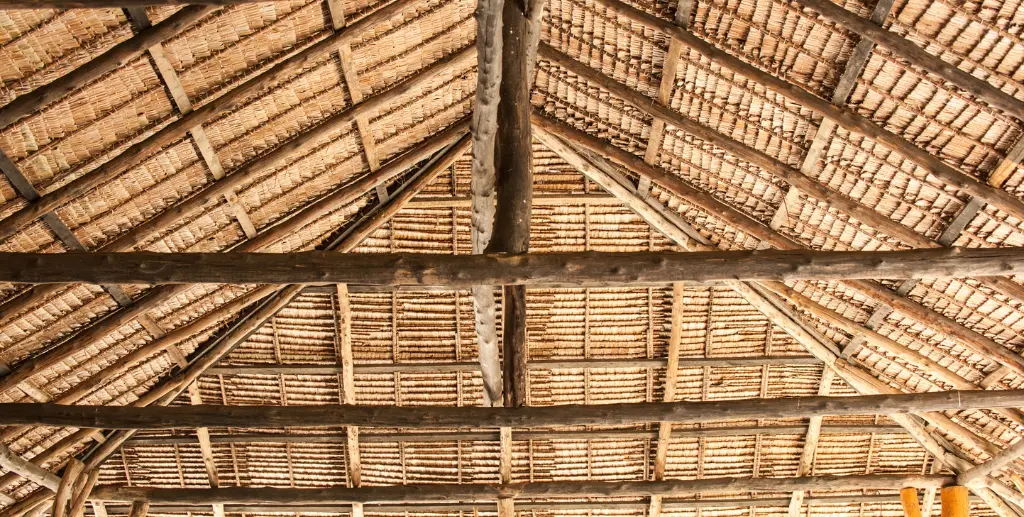
Even the best materials will underperform if the roof is poorly designed or incorrectly installed. Roof pitch, ridge detailing, drainage, and ventilation all influence how effectively water runs off and how quickly the thatch dries.
Poor workmanship can result in:
- Water pooling
- Uneven wear patterns
- Early failure in specific sections of the roof
This is why working with experienced professionals matters more than material choice alone.
Why Roof Pitch and Drainage Matter More Than Most Owners Realise
Roof pitch plays a critical role in how effectively a thatch roof sheds water. In KwaZulu-Natal, where heavy rainfall and high humidity are common, insufficient pitch can significantly reduce roof performance.
A correctly pitched roof allows rainwater to run off quickly, reducing the amount of time moisture remains within the thatch layer. Faster drying times directly improve lifespan and reduce the risk of fungal growth.
Drainage design also affects how water moves away from the roof structure. Poor drainage can cause water to collect near valleys, ridges, or junctions, leading to uneven wear and early deterioration in those areas.
These factors are often overlooked by property owners because they are not immediately visible, but they have a long-term impact on maintenance frequency and overall roof health.
Maintenance Consistency
Maintenance is the single biggest factor that determines whether a thatch roof reaches the upper end of its lifespan range.
Regular inspections and light maintenance prevent:
- Small leaks from spreading
- Compaction from becoming severe
- Surface damage from accelerating
A neglected roof will deteriorate faster, regardless of how well it was installed initially.
Coastal vs Inland Thatch Roof Maintenance in KwaZulu-Natal
Coastal Areas
Coastal regions such as Durban, Umhlanga, Ballito, and surrounding areas experience:
- Higher humidity
- Salt exposure
- Increased biological growth
As a result, coastal thatch roofs often require:
- More frequent inspections
- Earlier intervention for moss or fungal growth
- Careful attention to ridge areas
These roofs are not weaker, but they demand closer monitoring to maintain performance.
Inland Areas
Inland areas such as Pietermaritzburg and surrounding towns generally experience:
- Faster drying after rain
- Lower salt exposure
- Slightly reduced biological growth
Maintenance intervals may be longer, but regular inspections are still essential to catch early signs of wear.
If you are specifically looking for thatch roofing services in Durban, see our dedicated Thatch Roofing Durban page
Recommended Thatch Roof Maintenance Schedule
Annual Professional Inspection
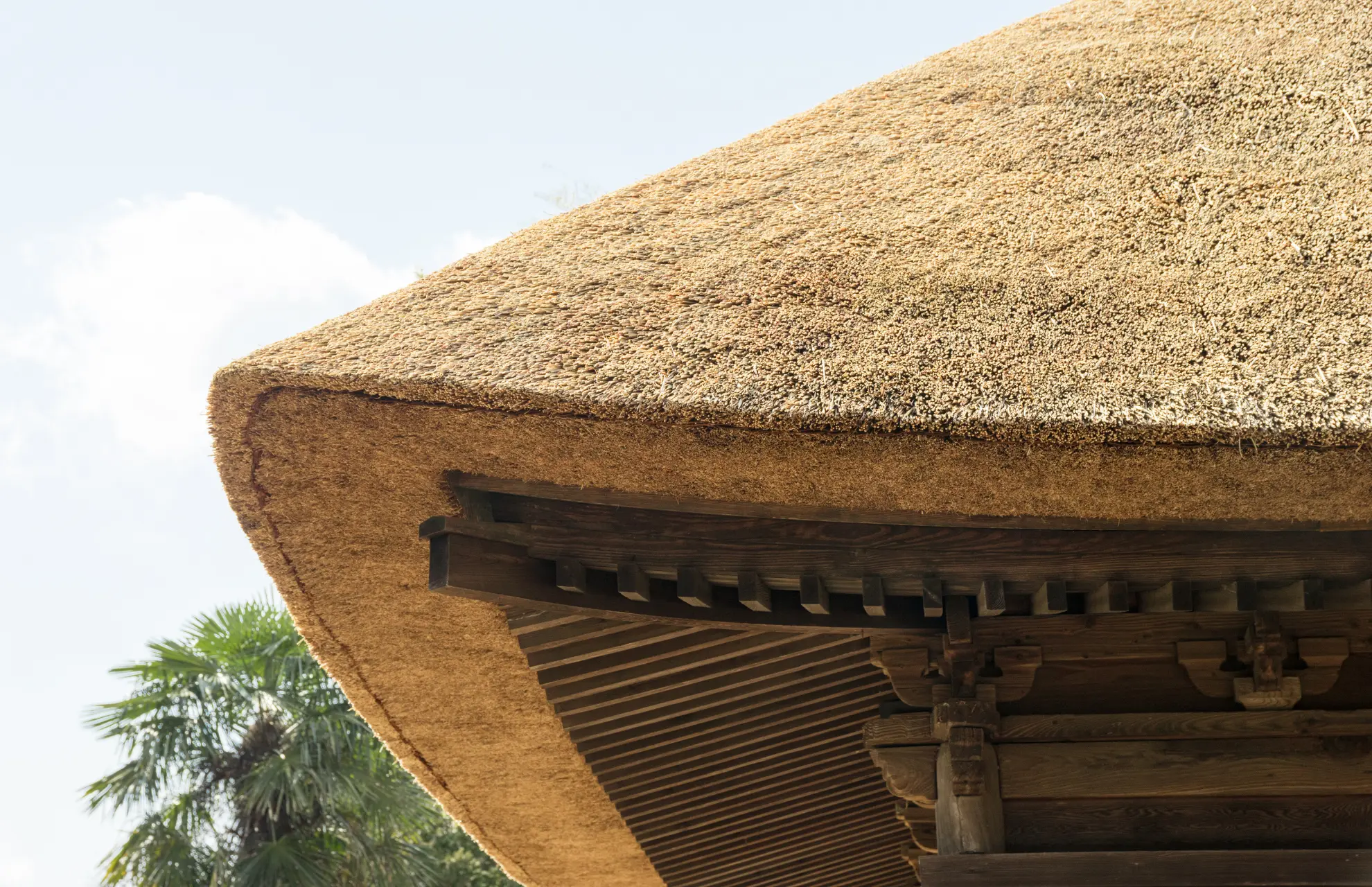
An annual inspection is recommended for all thatch roofs in KwaZulu-Natal, regardless of location.
A professional inspection typically assesses:
- Thatch thickness
- Surface condition
- Ridge integrity
- Moisture movement
- Early structural concerns
These inspections help determine whether maintenance is needed immediately or can be scheduled later.
Seasonal Visual Checks
Property owners should visually inspect their roofs after:
- Heavy rainfall
- Storm events
- Extended wet periods
Early signs of concern include uneven surfaces, persistent damp patches, or sagging areas.
Periodic Maintenance Intervals
Maintenance tasks may include:
- Surface brushing every few years
- Localised re-thatching
- Ridge repairs
Spacing these interventions correctly extends the roof’s lifespan significantly.
How Seasonal Weather Patterns Affect Thatch Roof Care
KwaZulu-Natal experiences distinct seasonal weather patterns that influence when maintenance should be prioritised.
During the wetter summer months, increased rainfall and humidity place greater stress on the roof’s ability to shed water efficiently. This is when early signs of compaction or moisture retention become more noticeable.
Winter months, while generally drier, are an ideal time for inspections and maintenance work. Dry conditions allow thatch to be adjusted, repaired, or brushed without trapping moisture.
Understanding these seasonal patterns helps property owners plan maintenance at the right time rather than reacting to visible damage after it has progressed.
Compaction and Thinning
Compaction reduces the roof’s ability to shed water efficiently.
Warning signs include:
- Flattened appearance
- Reduced runoff
- Increased moisture retention
Early intervention prevents structural damage.
Moss and Fungal Growth
Moss and fungi are common in humid or shaded areas.
These issues do not always indicate failure but should be addressed early to prevent moisture retention and material breakdown.
Ridge Deterioration
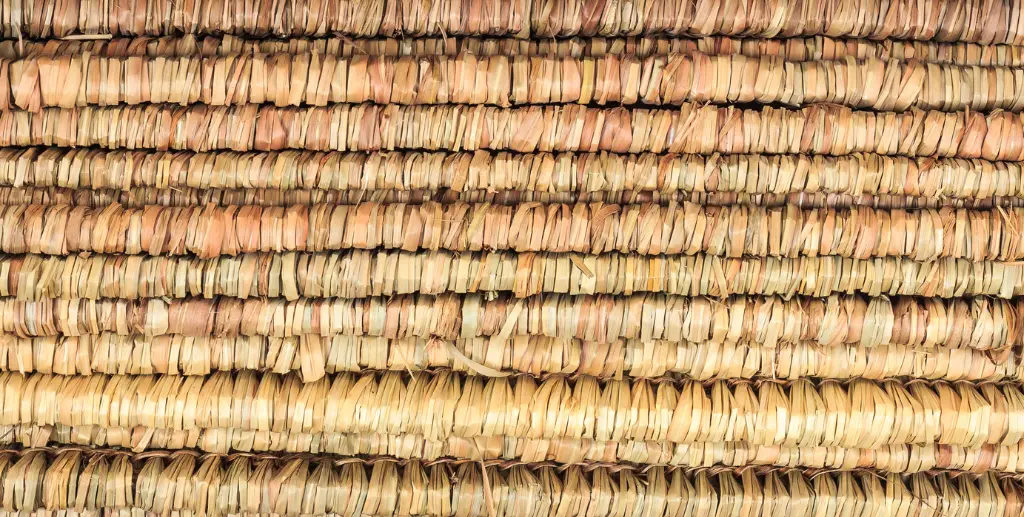
The ridge is the most exposed part of the roof and often requires maintenance before other areas.
Loose or uneven ridge material should be addressed promptly to prevent leaks.
How Neglect Accelerates Thatch Roof Deterioration
Neglect is one of the most common reasons thatch roofs fail prematurely.
When small issues such as minor compaction or surface dampness are ignored, they gradually affect deeper layers of the roof. Over time, this leads to reduced insulation, water ingress, and structural stress.
Neglected roofs often require repairs sooner and more frequently than roofs that receive regular attention. In severe cases, sections of the roof may need replacement earlier than expected.
Regular inspections and light maintenance reduce long-term costs by preventing these issues from escalating.
The Role of Professional Thatch Roof Inspections
Professional inspections provide insight that visual checks cannot. They identify issues below the surface and help property owners plan maintenance proactively.
Inspections often prevent costly repairs by identifying small issues early.
Maintenance vs Repairs vs Re-Thatching
Maintenance
Maintenance focuses on preserving the existing roof structure through light interventions and preventative care.
This is the most cost-effective approach over time.
Repairs
Repairs address specific problem areas such as leaks, damaged sections, or ridge failure.
Delaying maintenance often increases the need for repairs.
Re-Thatching
Re-thatching replaces the entire roof and is only required when the thatch reaches the end of its functional life.
Proper maintenance can delay this for decades.
For cost context, refer to: thatch roofing costs in KwaZulu-Natal
How Thatch Roof Maintenance Impacts Comfort and Energy Efficiency
Beyond structural integrity, maintenance also affects how comfortable a property feels internally.
Well-maintained thatch roofs provide:
- Stable indoor temperatures
- Reduced heat transfer
- Improved airflow when properly ventilated
As thatch compacts or deteriorates, insulation performance declines. This can result in hotter interiors during summer and reduced comfort throughout the year.
Maintaining the roof’s thickness and structure preserves these natural insulation benefits and contributes to long-term livability, particularly in residential homes and lodges.
Fire Protection and Ongoing Maintenance
Fire protection systems reduce risk but do not eliminate the need for maintenance.
They work alongside regular inspections and care to ensure compliance and safety.
Maintenance ensures that fire protection systems remain effective and that the roof structure remains sound.
How Maintenance Affects Long-Term Costs
Consistent maintenance:
- Reduces emergency repairs
- Preserves insulation performance
- Maintains property value
- Extends roof lifespan
Neglect increases costs over time and accelerates deterioration.
The Importance of Maintenance Records for Long-Term Ownership
Keeping records of inspections and maintenance work is often overlooked but plays an important role in long-term ownership.
Maintenance records:
- Demonstrate responsible care
- Support insurance requirements
- Assist with resale discussions
- Help professionals assess roof history accurately
For lodges and commercial properties, documented maintenance is often essential for compliance and operational planning.
Frequently Asked Questions
How often should a thatch roof be maintained in KwaZulu-Natal?
Annual inspections are recommended, with maintenance performed as required based on condition and exposure.
Does coastal humidity reduce roof lifespan?
Coastal conditions increase maintenance needs, but properly maintained roofs still reach expected lifespan ranges.
Can homeowners perform maintenance themselves?
Professional care is recommended, as incorrect handling can damage the thatch.
How can I tell if repairs are needed?
Uneven surfaces, damp patches, or visible sagging are common early indicators.
Is maintenance cheaper than repairs?
Yes. Preventative maintenance is significantly more cost-effective than reactive repairs.
Does maintenance affect insurance?
Insurers often require proof of ongoing maintenance for thatch roofs.
Final Thoughts on Thatch Roof Care in KwaZulu-Natal
A thatch roof in KwaZulu-Natal can provide decades of reliable performance when properly maintained.
Longevity depends on:
- Quality installation
- Regular inspections
- Timely maintenance
Property owners who understand these principles avoid unnecessary costs and preserve the value of their investment.
Get Clear Guidance on Your Thatch Roof
Request a professional assessment to understand your roof’s condition, costs, and next steps before making decisions.

Offices
Head Office
We are located in Verulam, Kwa-Zulu- Natal, and service the whole of KZN.